The Resistance
The Resistance — Faction Bible (working title)
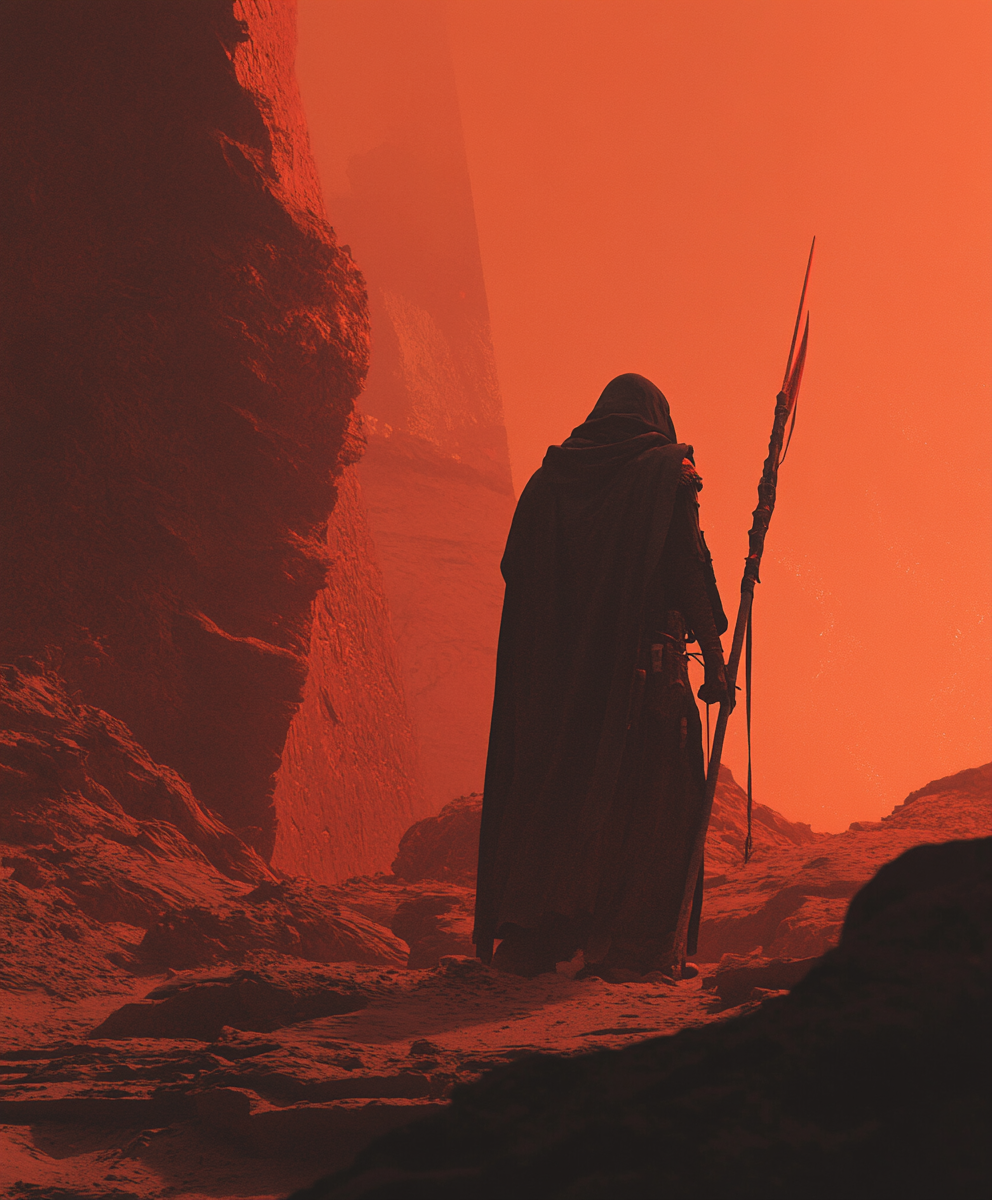
The insurgency that would break the Regime’s grip. To the state they are terrorists; to Gen Pop and the Spill, freedom fighters — or reckless saboteurs, depending on who you ask and how recently the last crackdown hit.
Symbol & Logo
A flame of several tongues, curling upward to fine points, its body stippled like ink-grain, ringed in an uneven fan of tapered rays tipped with dots — same woodcut family as the Seers’ spiral card, but fire instead of fortune. Beneath it, a small struck geometric spark, as if the blaze has only just caught. Rendered white-on-black; in the rebellion’s blue where they can afford the ink.
Where the Regime’s mark is a sun already risen — a finished claim to morning — the Resistance’s is a flame: unfinished, hand-carried, a future still to be made. Their answer to the Second Dawn branding is simple: the morning the state announces has not arrived for the people who live under it.
The flame runs wild and unruled where the Regime’s rays are straight and ordered — freedom against the drawn line. The spark beneath it is the strike that must be made over and over: a fire someone has to keep lighting, in the dark, by hand.
Status: logo established.
Overview
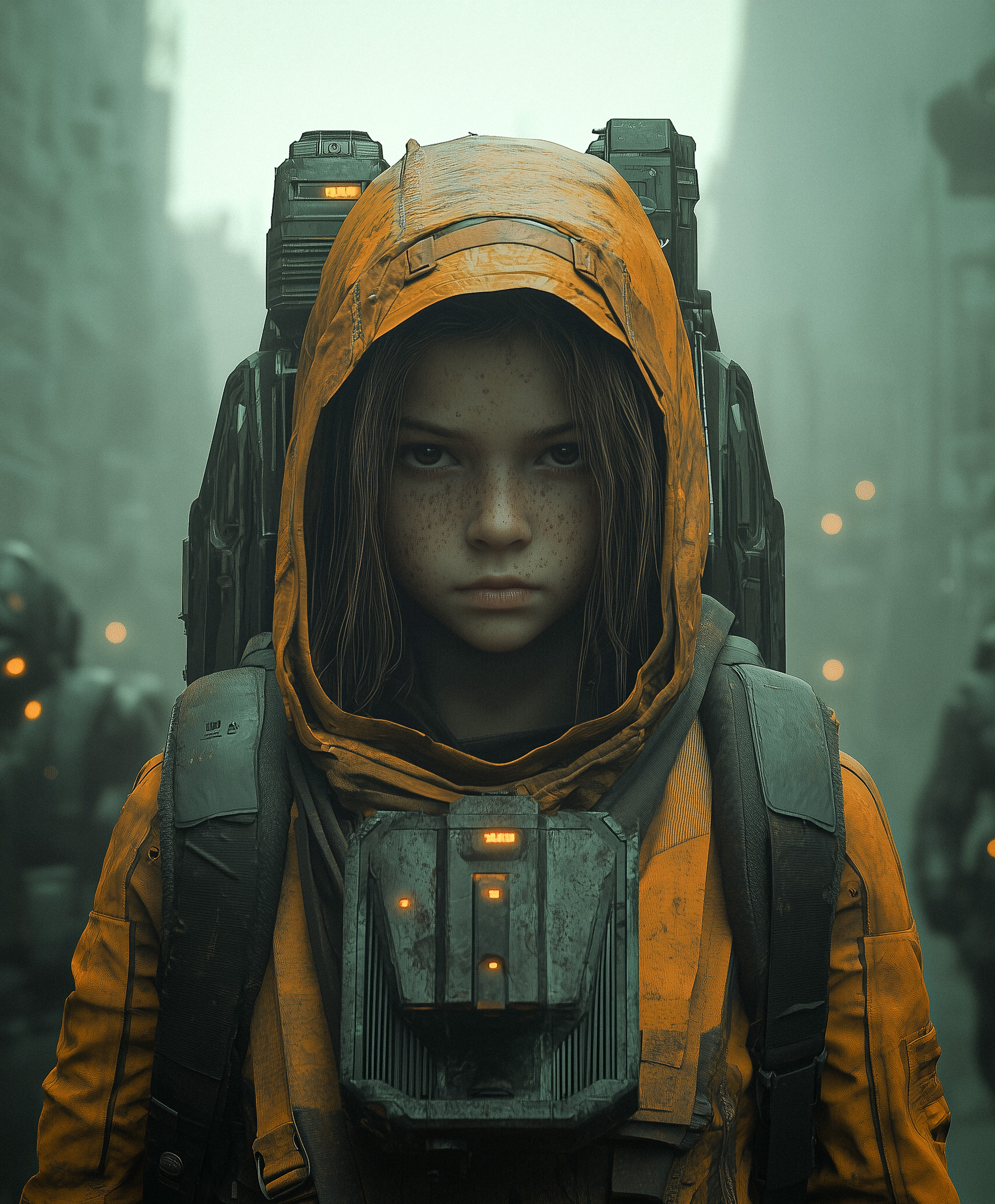
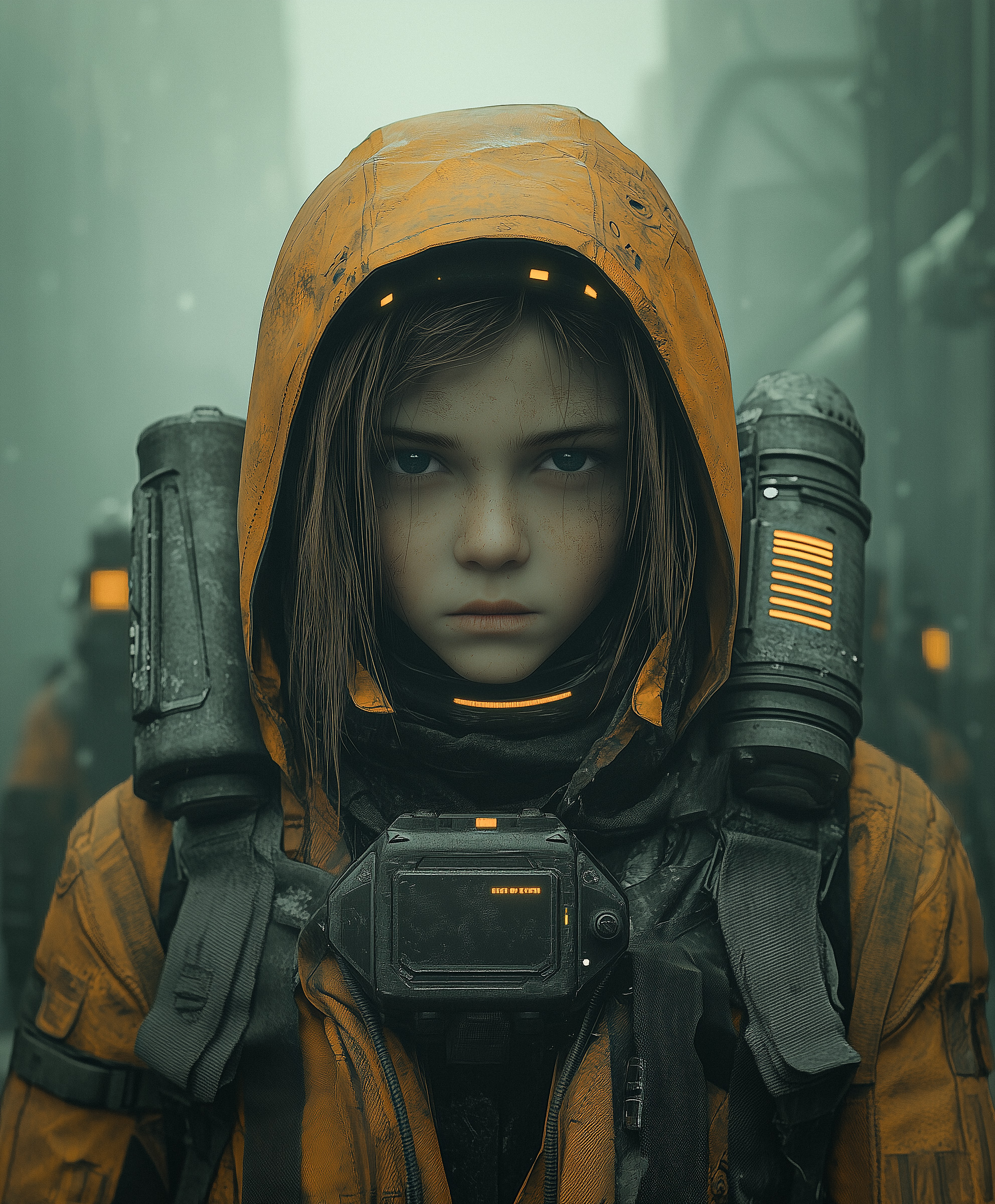
A fractured but widespread insurgency of the poor, the abandoned, and the furious. They have no single face and no single doctrine — a scatter of cells united mostly by a shared enemy and a shared conviction: that the Regime’s order has become the oppression it once claimed to cure.
Recruitment
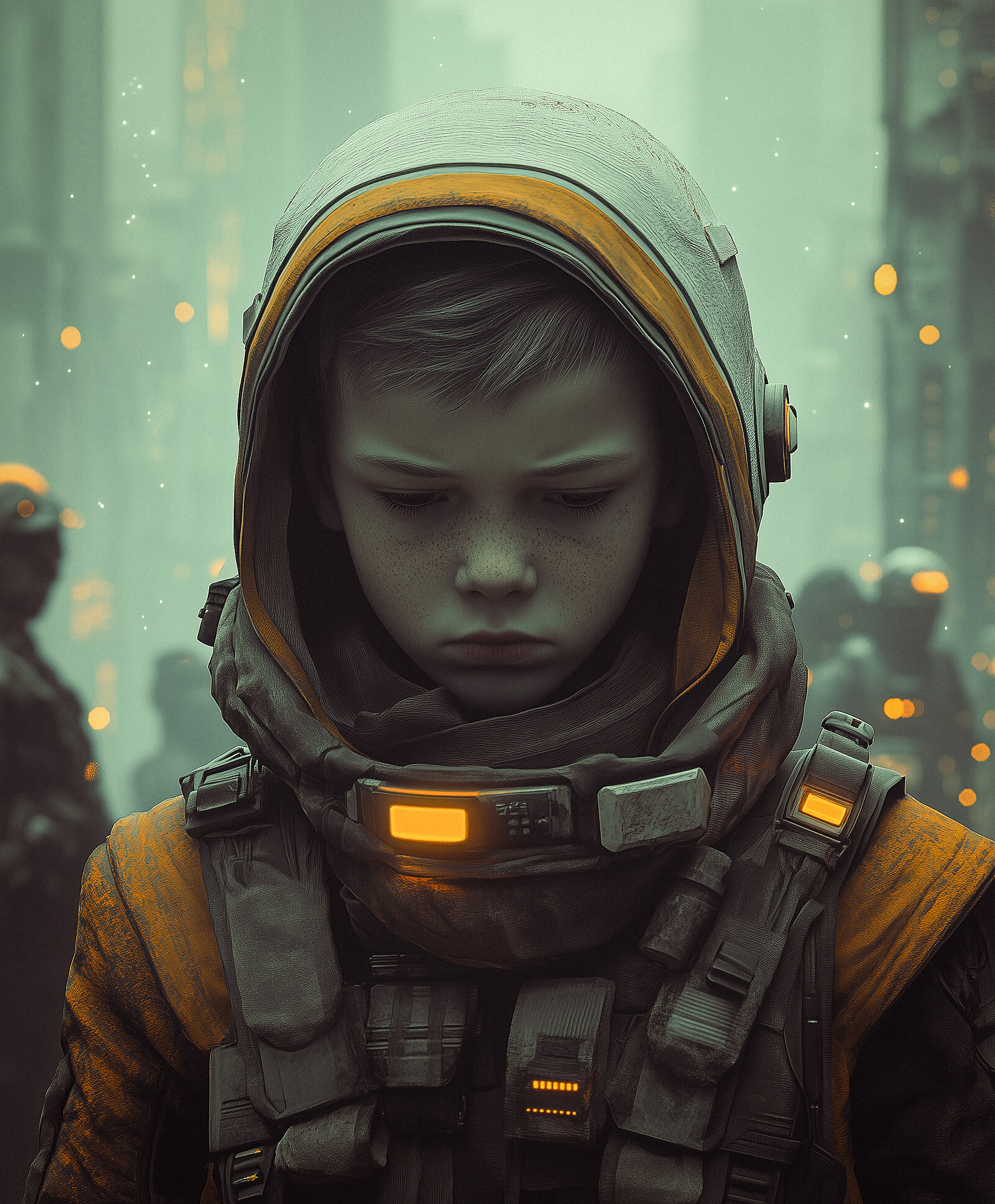
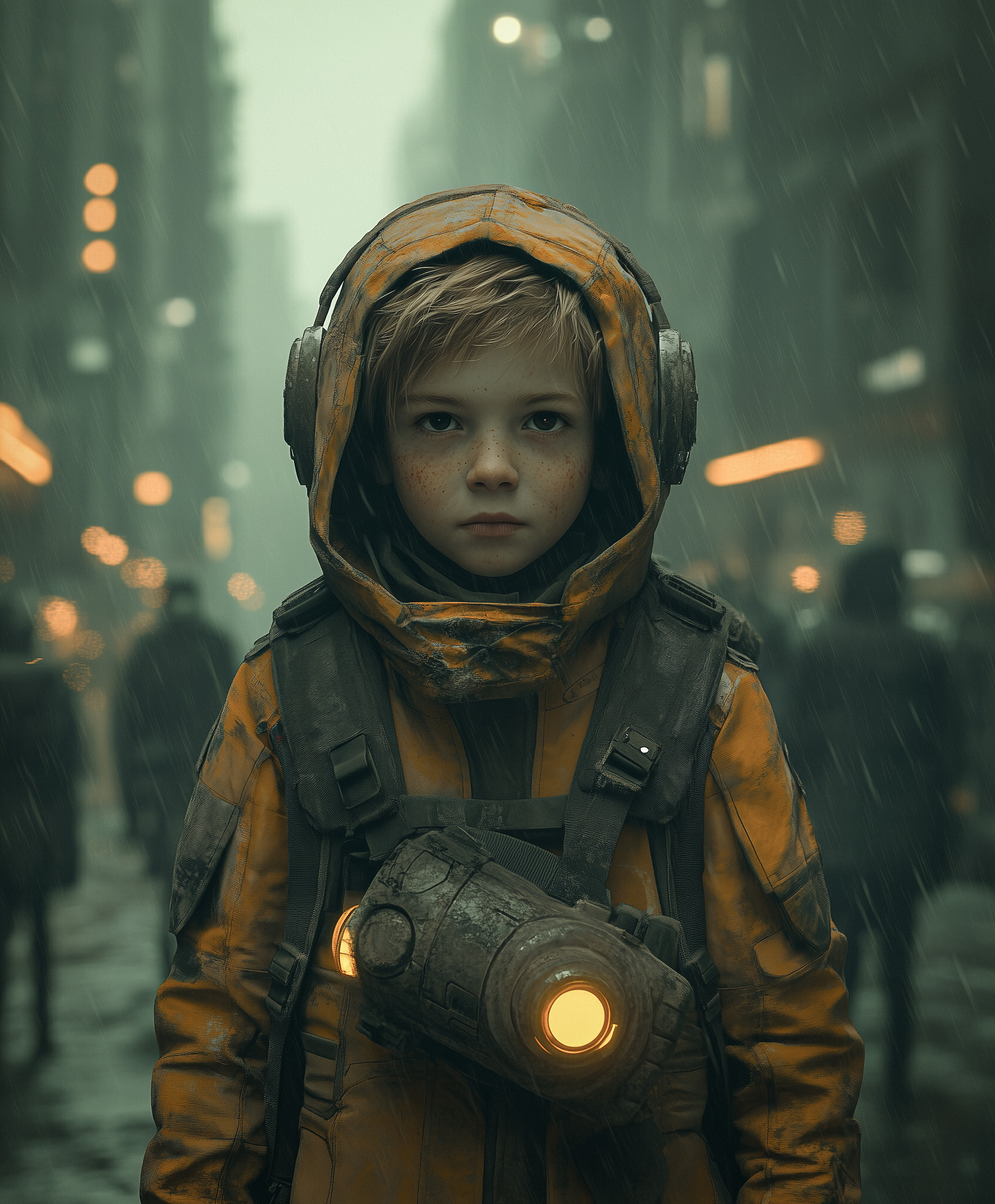
Drawn from scavenger clans, orphaned youth, Spill dens, and disenfranchised Gen Pop laborers. They promise revenge and dignity — often both are illusions. The Spill is richer soil; Gen Pop is the audience that decides whether a cell looks like liberators or bombers.
Child Soldiers
Used as saboteurs and suicide bombers, often manipulated through ideology or psychotropic conditioning. The darkest edge of the cause, and a likely fault line within it.
Psionic Shadows
The Resistance’s precogs are weaker than the Regime’s — outcasts or failed Jesuits. Their foresight is unstable, augmented by biotech grafts and neurodrugs.
Tactics — Urban Warfare
Bombings, blackouts, infrastructure hits, and propaganda leaks. Their cells communicate through coded graffiti and dream-sharing implants. Striking the systems the Regime uses to hold the cities — power, transit, surveillance — is both practical warfare and a message: your order is not inevitable.
The Partisans
South of the hive, in the Agfields, a rural cousin runs a different campaign: volunteers from the Corvée who sabotage the harvesting machines. The Partisans are Resistance-aligned — they may take weapons and leave the doctrine in the hedgerow. Same war. Different cloth. The flame is urban. Their mark is a red band.
Open Threads (to expand)
- Is there any leadership or coordinating body, or is “the Resistance” truly just a name shared by unconnected cells? How does a fractured insurgency avoid being rolled up one cell at a time?
- What is the positive vision — restore the old high world, build something new, or simply burn the Regime down? Different cells may want different, incompatible things.
- Do they have a name for themselves, distinct from the Regime’s “terrorists” and the street’s “freedom fighters”?
- The child soldiers: is this a practice the whole movement accepts, or the thing that fractures it from within?
- How do the Psionic Shadows relate to the Seers (unlicensed foresight) and to the Jesuits who cast them out?
- How do they hold Gen Pop when a blast kills the wrong stack — and how do they hold the Spill when they treat dens as expendable cover?