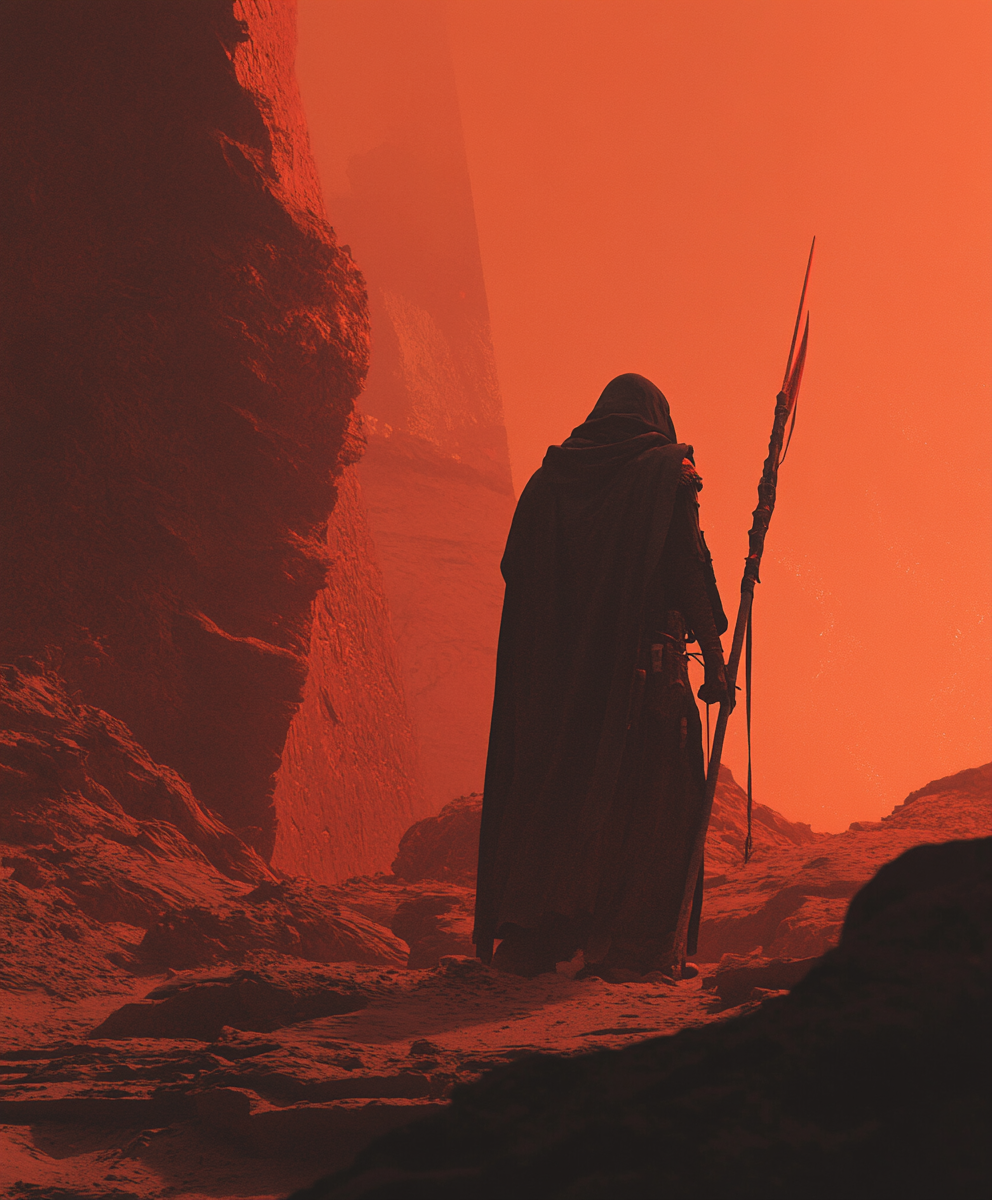
Cage Of Souls (Original) — Artwork
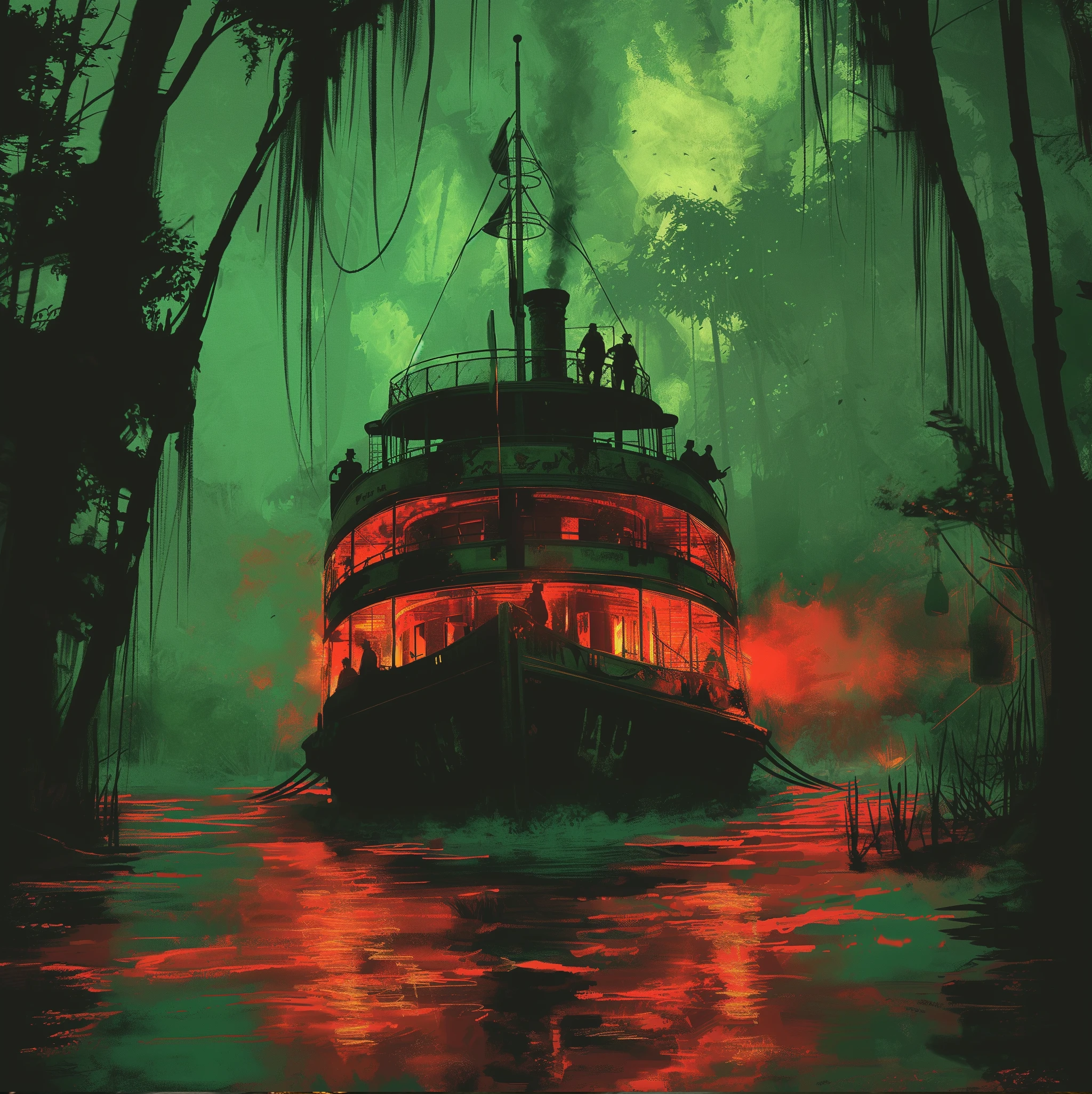
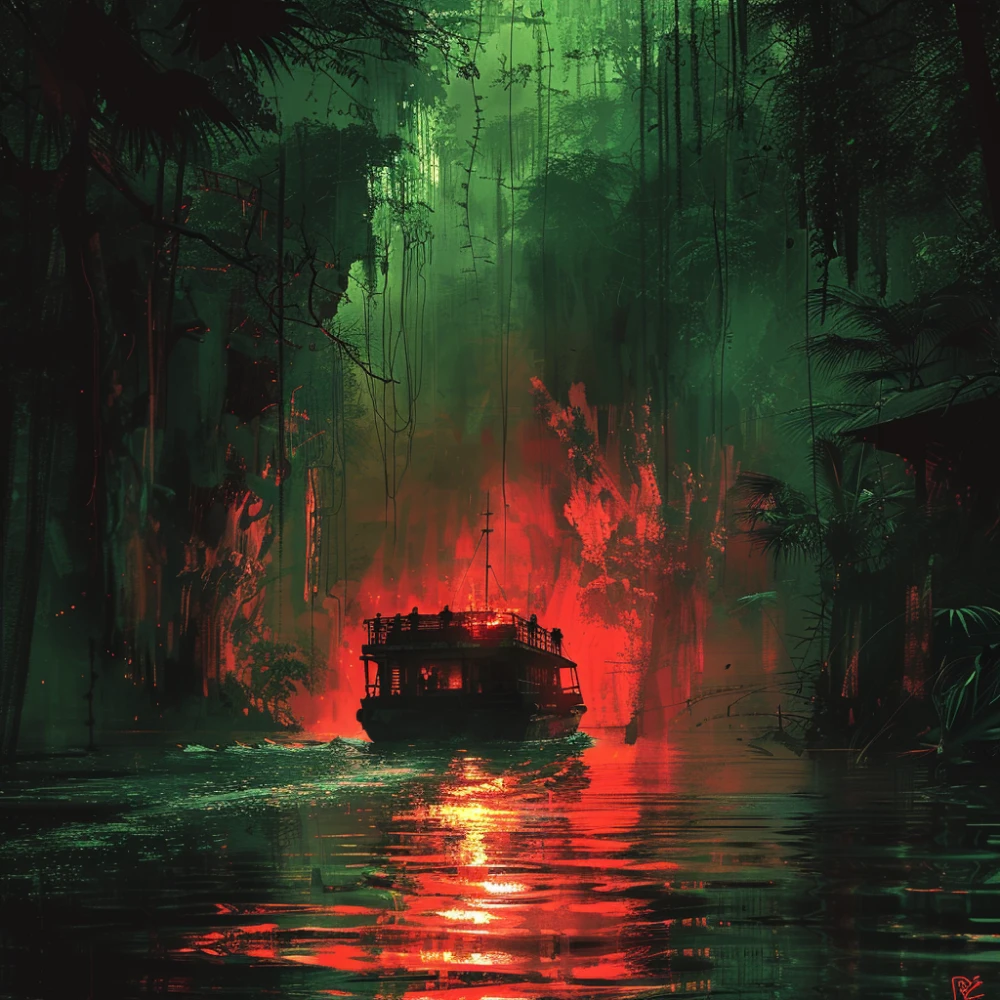
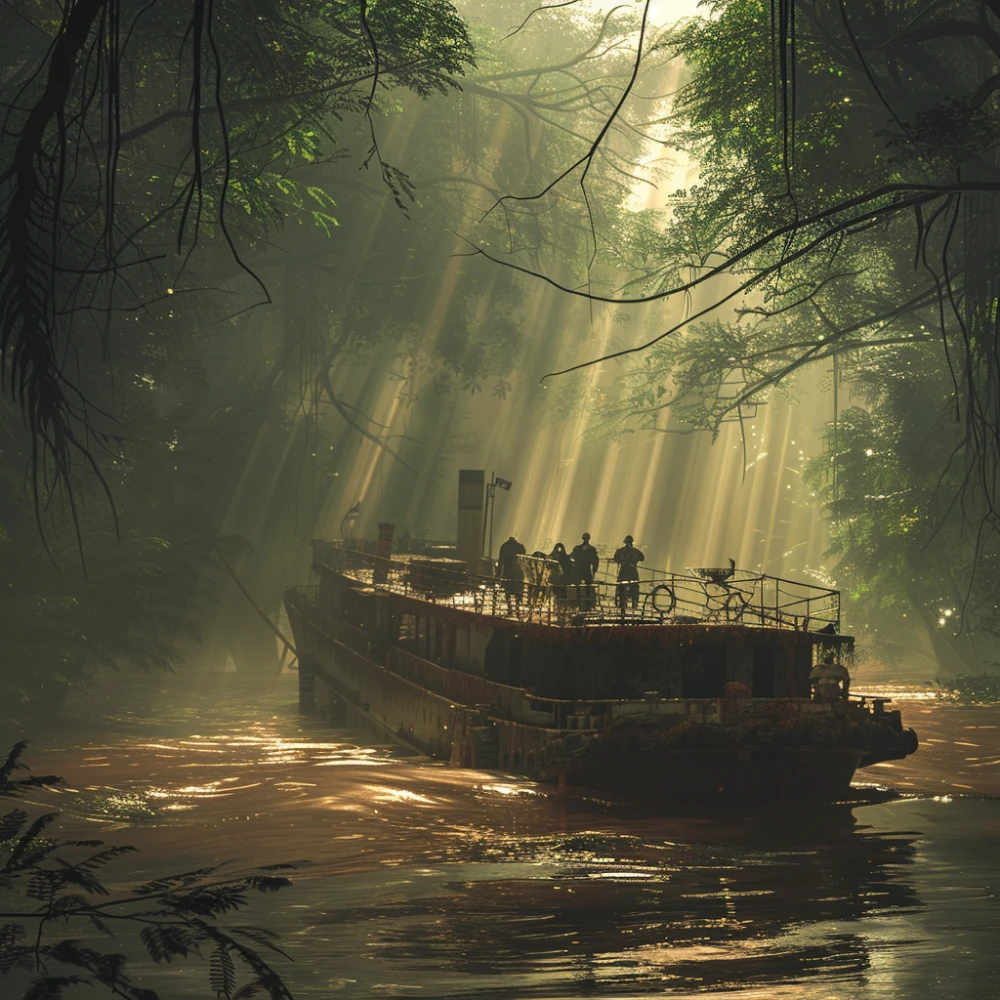
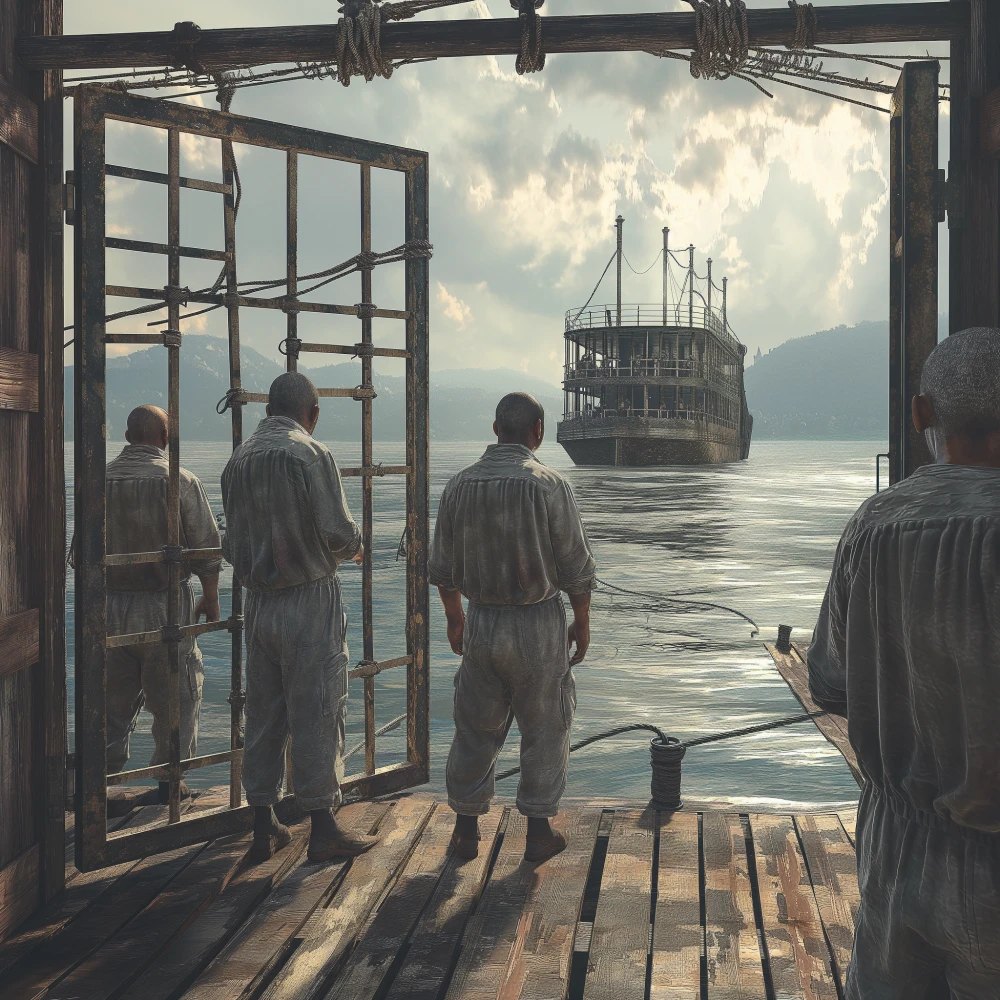
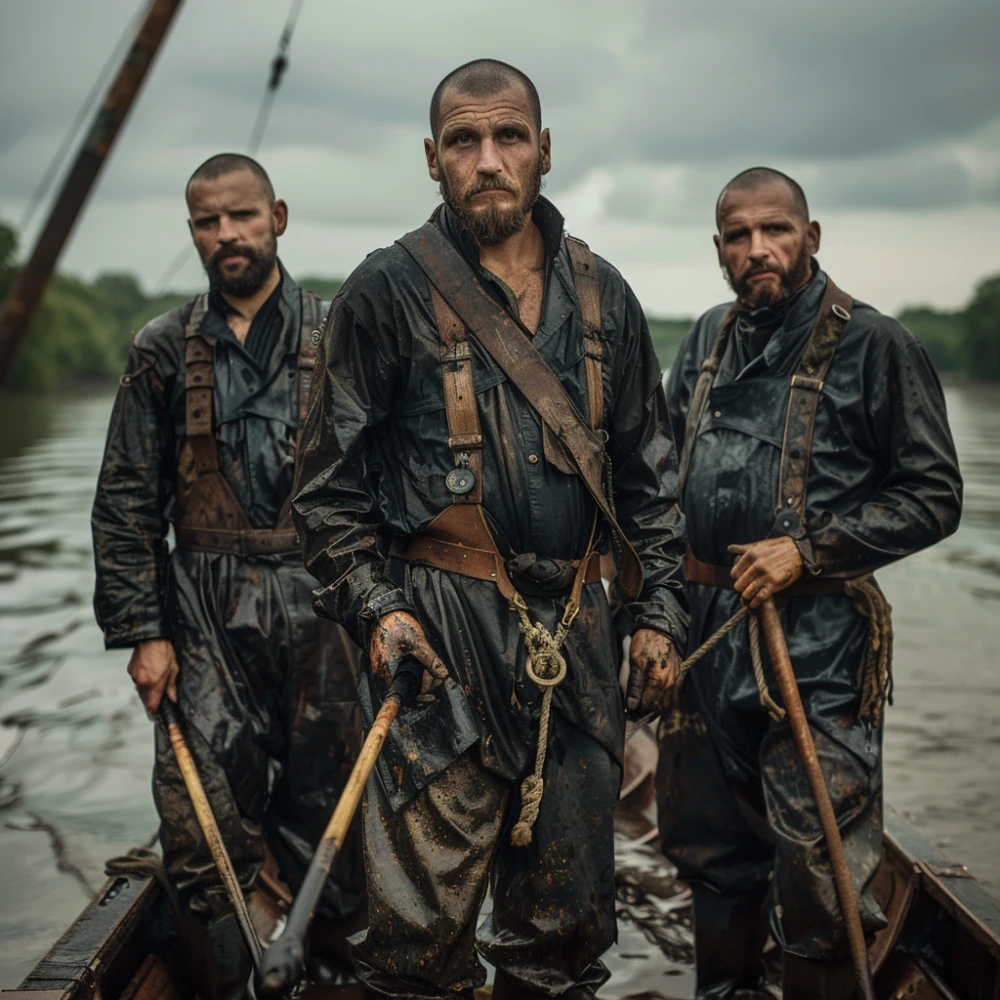
There was a boat, a metal-hulled antique some forty feet long. Shadrapar was its birthplace, as it is mine, but it took us east down the river into the unmappable and hungry jungles. The thump of its engine was a constant companion to all of us aboard her. We dreamed in time to its artificial heartbeat.
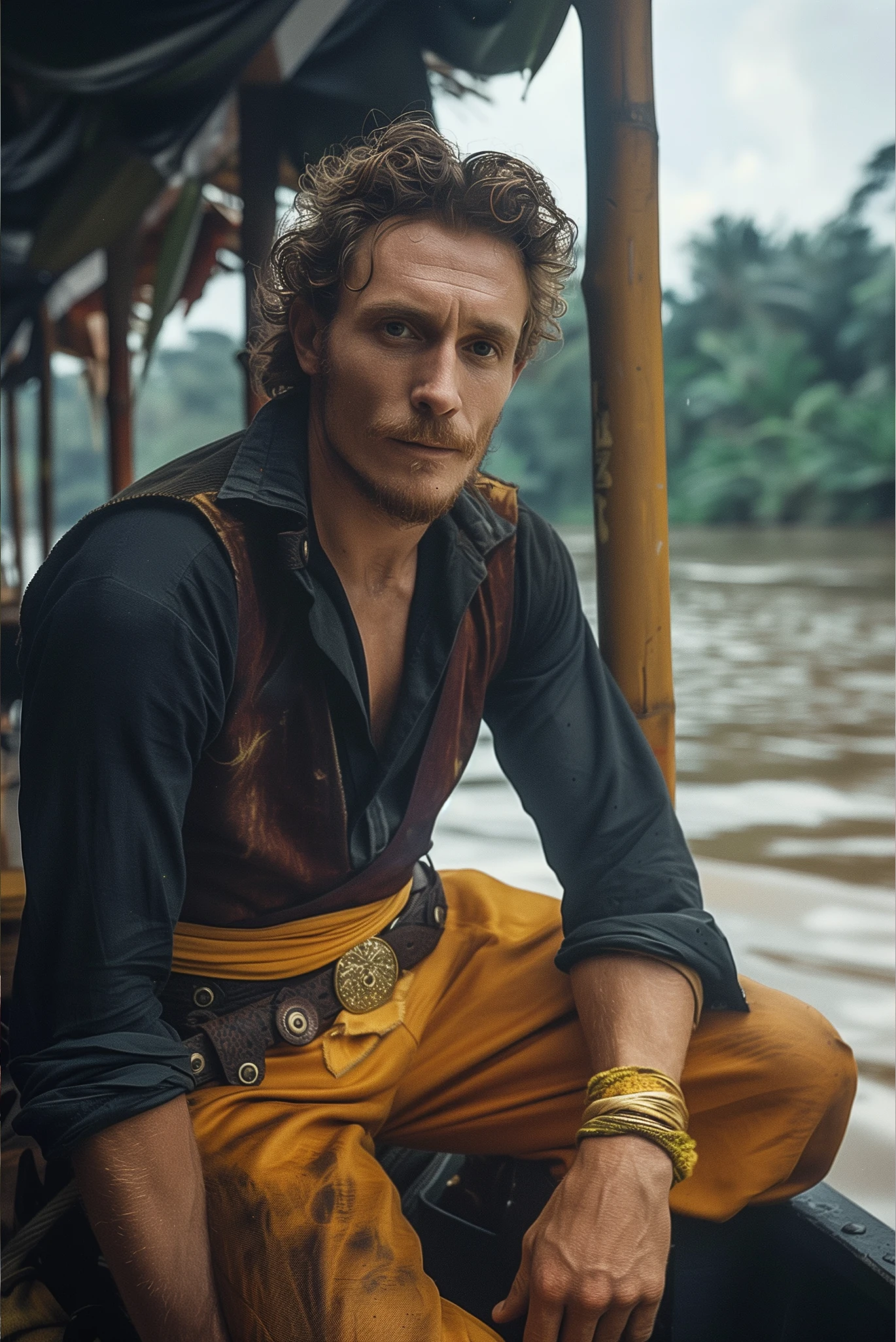
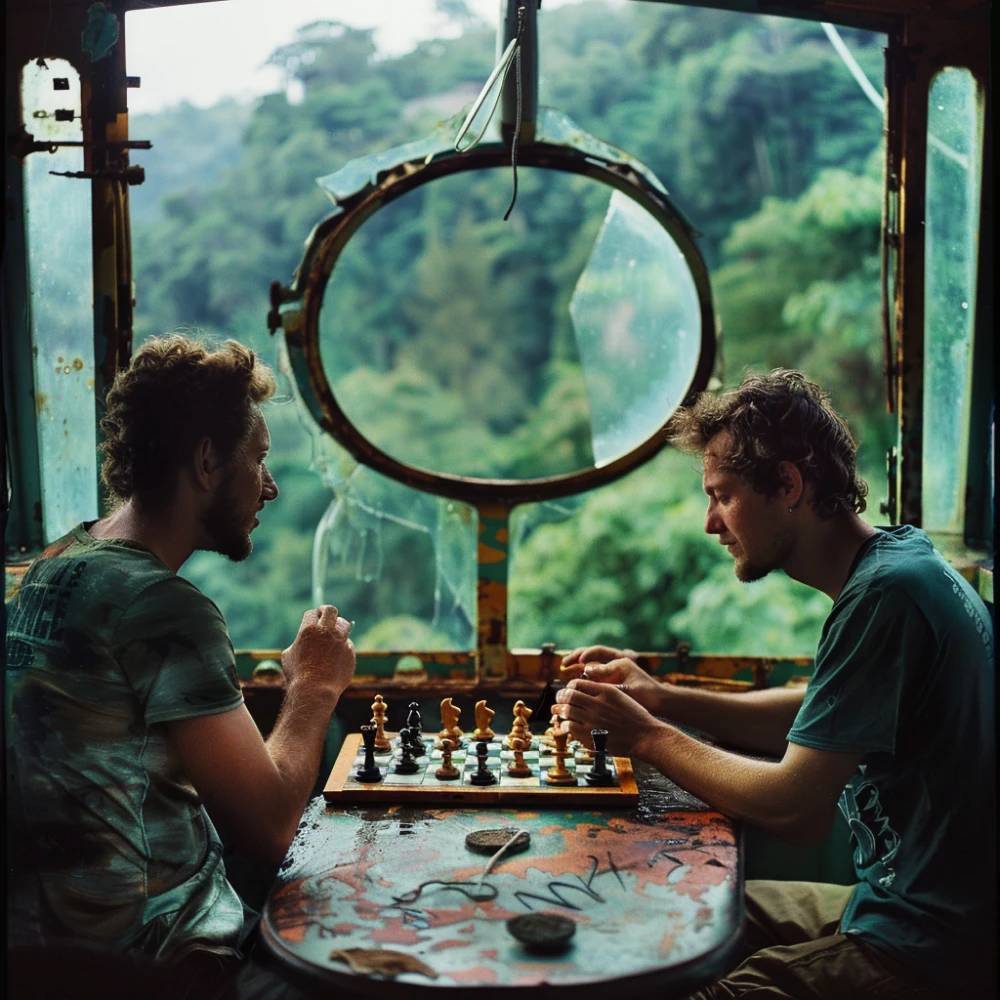
Peter Drachmar, seen there on deck, is quite a different sight. His hair is the colour of wet sand and there are laughter lines on his face even when he is not laughing. He has broader shoulders than I and wears clothes from a far better tailor. Luckily for his future employment, black is his preferred hue for a shirt. His trousers are of mustard colour and he has a short half-cloak of burgundy red that was the height of fashion the year before last. It is edged with gold trim that has faded slightly. If my description of him is more accurate, remember that, from this point on, I seldom crossed paths with a mirror.
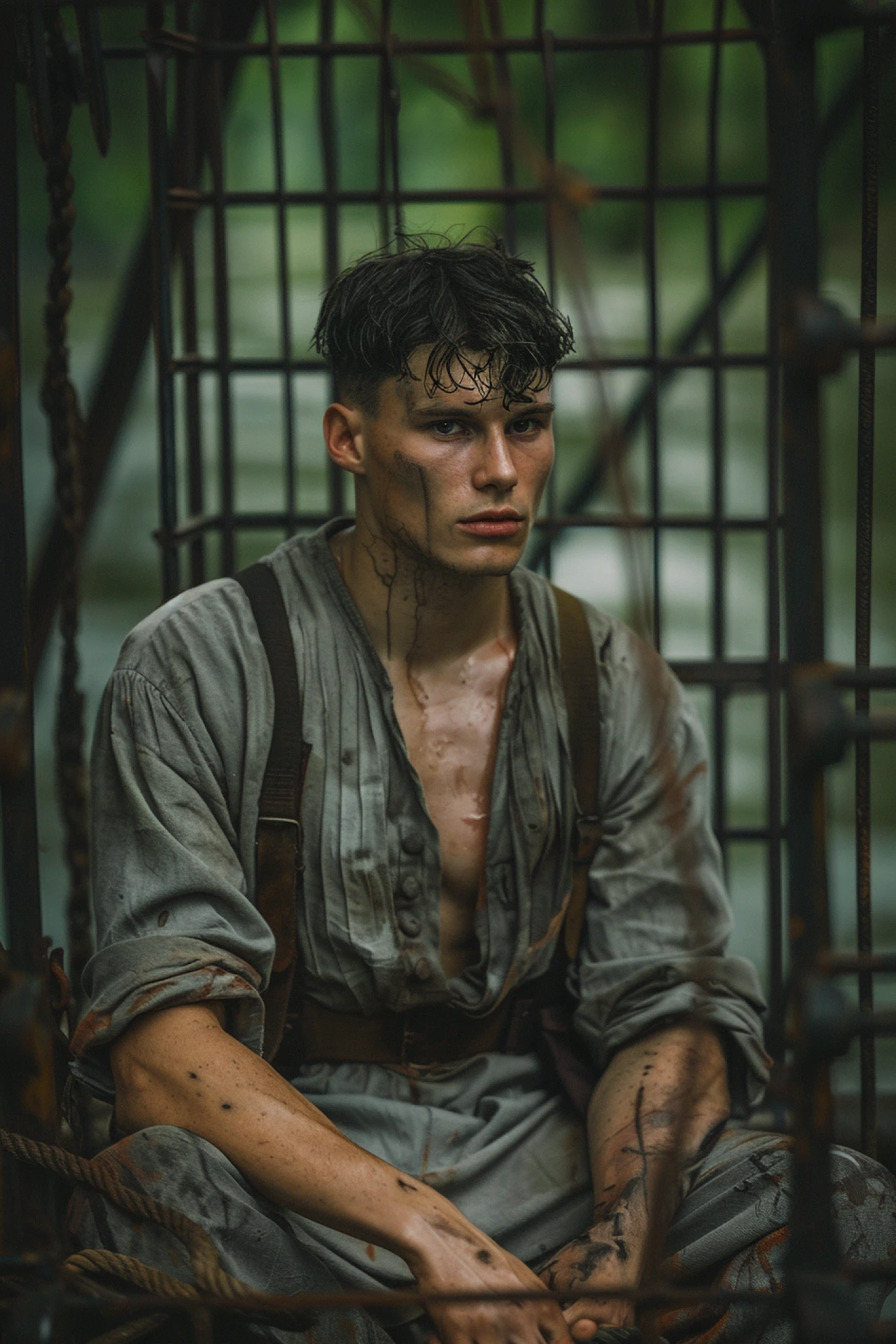
“Stefan Advani,” for such am I. I’d have you picture a man of aristocratic feature, as of a good family: a long face, dark straight hair and brown-olive skin. A high forehead – a sign of intellect and not just, as Helman always claimed, receding hairline. The nose is finely shaped but, even in the owner’s opinion, a trifle long. Eternally clean-shaven, a gift from my genes, my loose, ill-fitting clothing is dirty grey and does not flatter. This is your narrator contemplating the fate that was so nearly his, something I have made a career of.
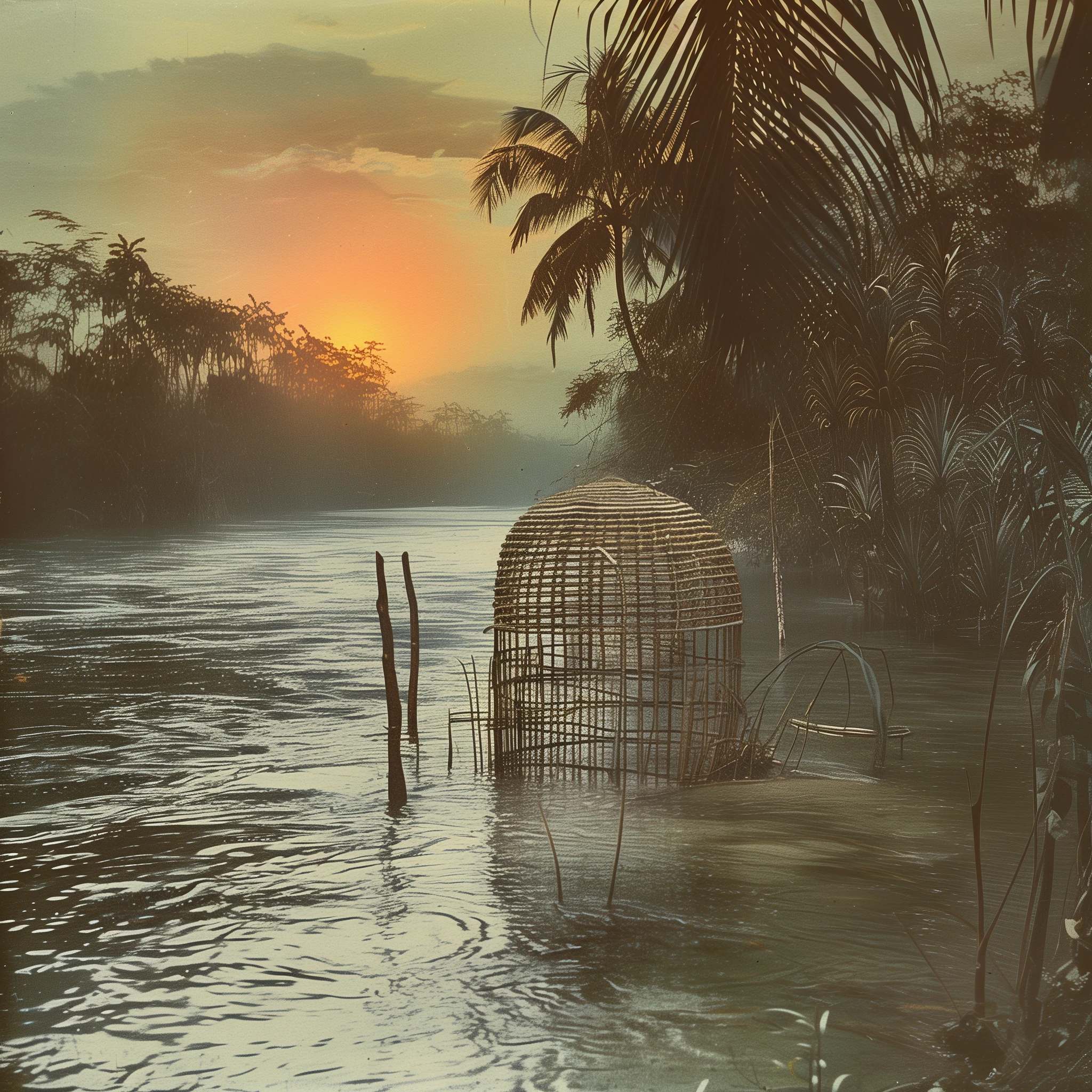
As we watched, something caught my eye at the water’s edge. It was a dwelling, or something like it. A little domed construction of wicker that actually sat in the water, and perhaps could only be entered from beneath. There were other poles and struts standing out in the river, and I now know that these were fish traps. At the time all I could do was stare. Peter noticed too, and frowned, and I saw that he had no idea either.
“They call them web-children,” the captain told us shortly.
“Who calls what web-children?” Peter asked.
“Them things that built that,” the captain explained. “They live out here.”
“People live in this jungle?” Peter wondered.
“Ain’t people.”
As we watched, something caught my eye at the water’s edge. It was a dwelling, or something like it. A little domed construction of wicker that actually sat in the water, and perhaps could only be entered from beneath. There were other poles and struts standing out in the river, and I now know that these were fish traps. At the time all I could do was stare. Peter noticed too, and frowned, and I saw that he had no idea either.
“They call them web-children,” the captain told us shortly.
“Who calls what web-children?” Peter asked.
“Them things that built that,” the captain explained. “They live out here.”
“People live in this jungle?” Peter wondered.
“Ain’t people.”
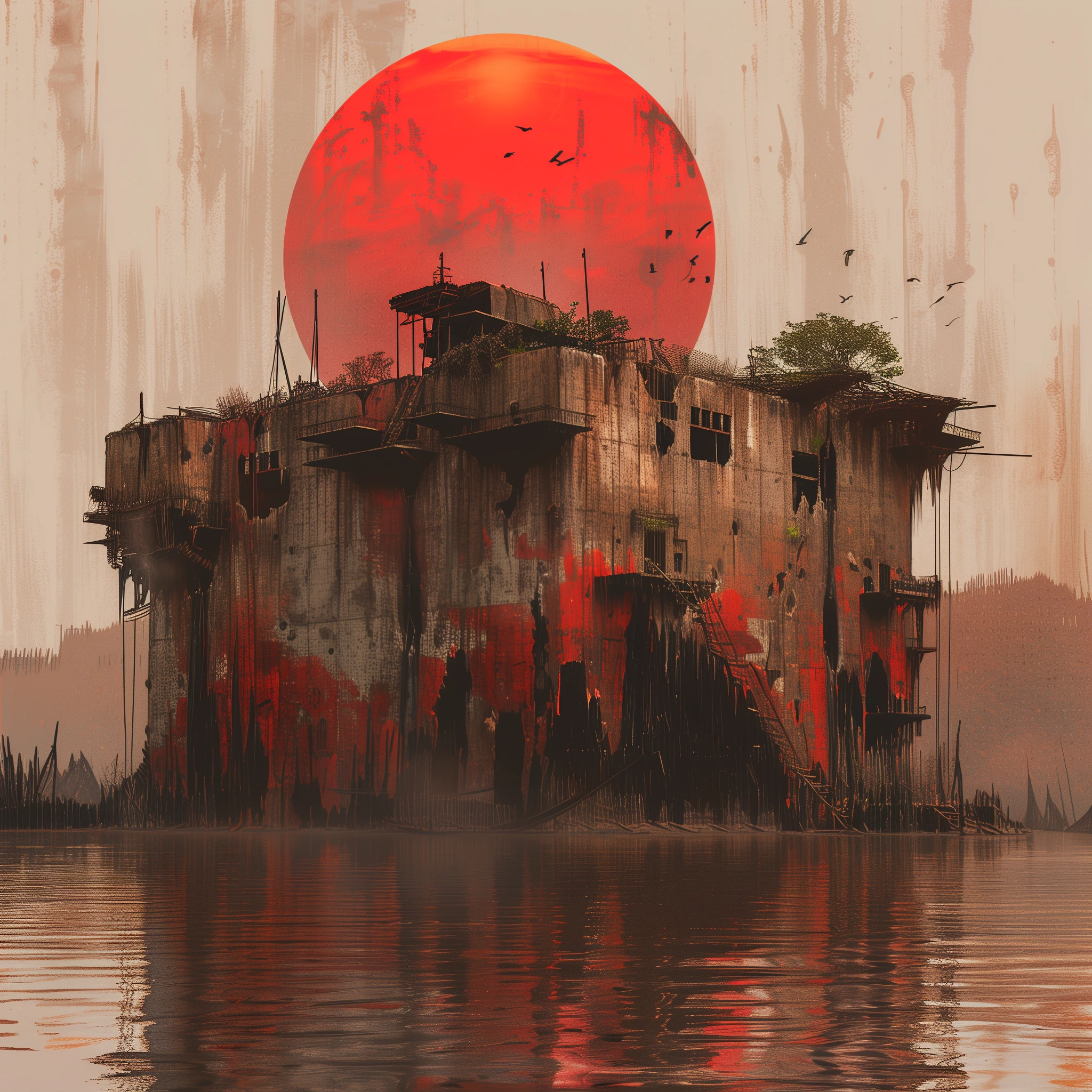
They dragged us all out into the morning to look at it, because it was a vital part of breaking our spirits. Here was our new home, and our mass grave.
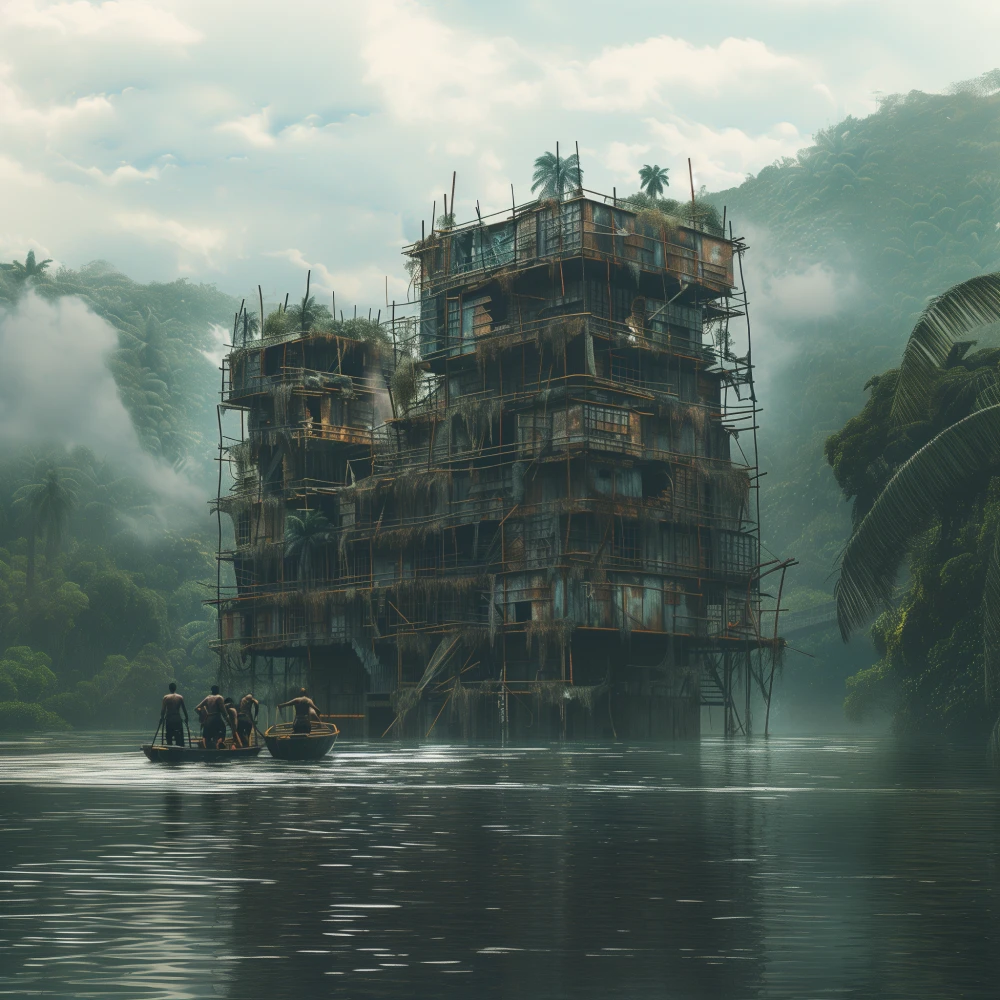
The jungle was more of a swamp now, and the water spread on all sides, a glistening wetland choked with reeds and knotted trees. The air was rank with flies. The boat moved slowly through what must have been the only channel deep enough to take its draft, and ahead of us the water broadened out into a lake. It was half mud, and strange plants thrust out from its shallows at intervals like the hands of drowning men. At the heart of this lake was the Island. Everyone’s first glance at the Island was the same: one took it for its namesake. In the middle of this lake, you assumed, there is a hill, and the hill has been covered by the structure. The Island was roughly square, with the top two floors of decreasing size and the lower three all of the same dimensions. It was made of wood and cane, as though the entire building was a barred cell. The higher levels had a few spaces of solid wall, so that the staff could steal a little privacy. The lower levels were all of reinforced slats, cane bars and a vast webwork of rope that held it all together. It was possible to see clean through the Island, if one picked the correct opening. The eye’s path took you through a dozen intervening slatted walls and out to the foul waterscape on the other side, past a hundred sullen inmates. As the boat approached we could see a few of those inmates, shadowed figures behind the bars.
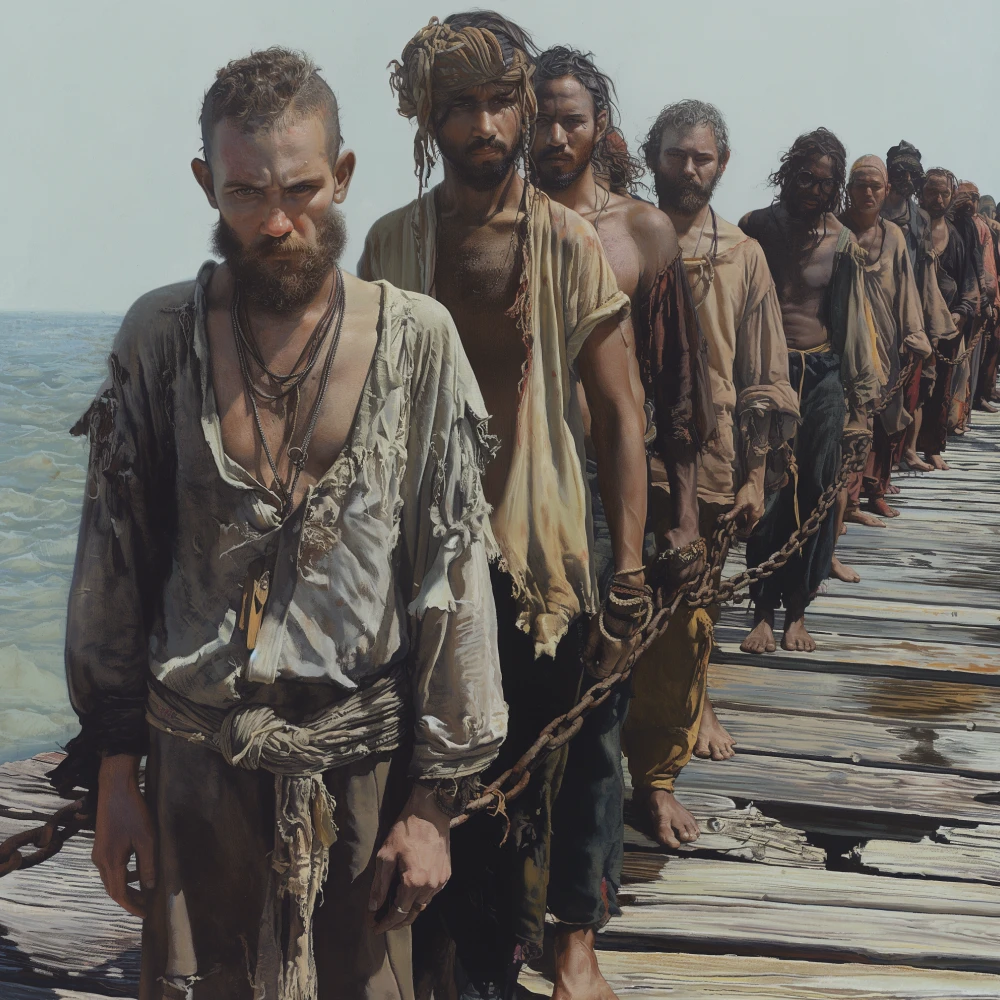
Get your worthless hides off the boat!
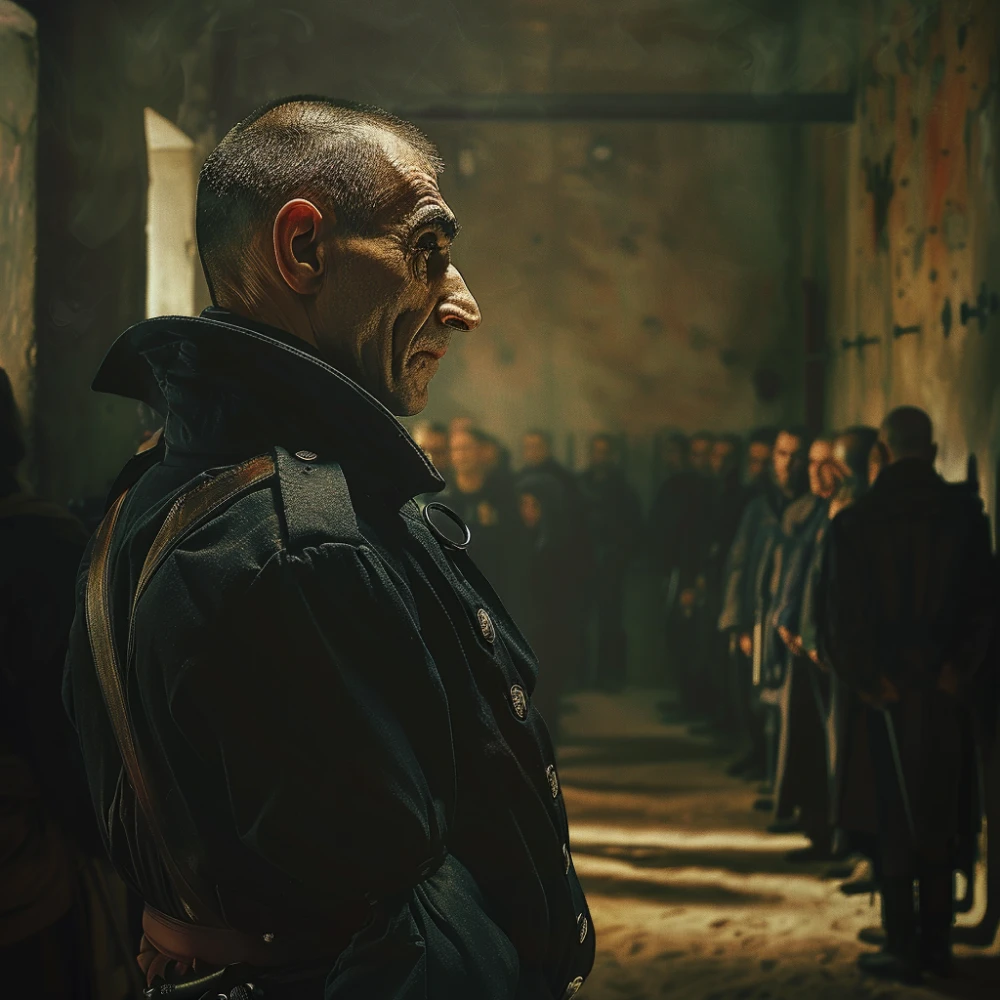
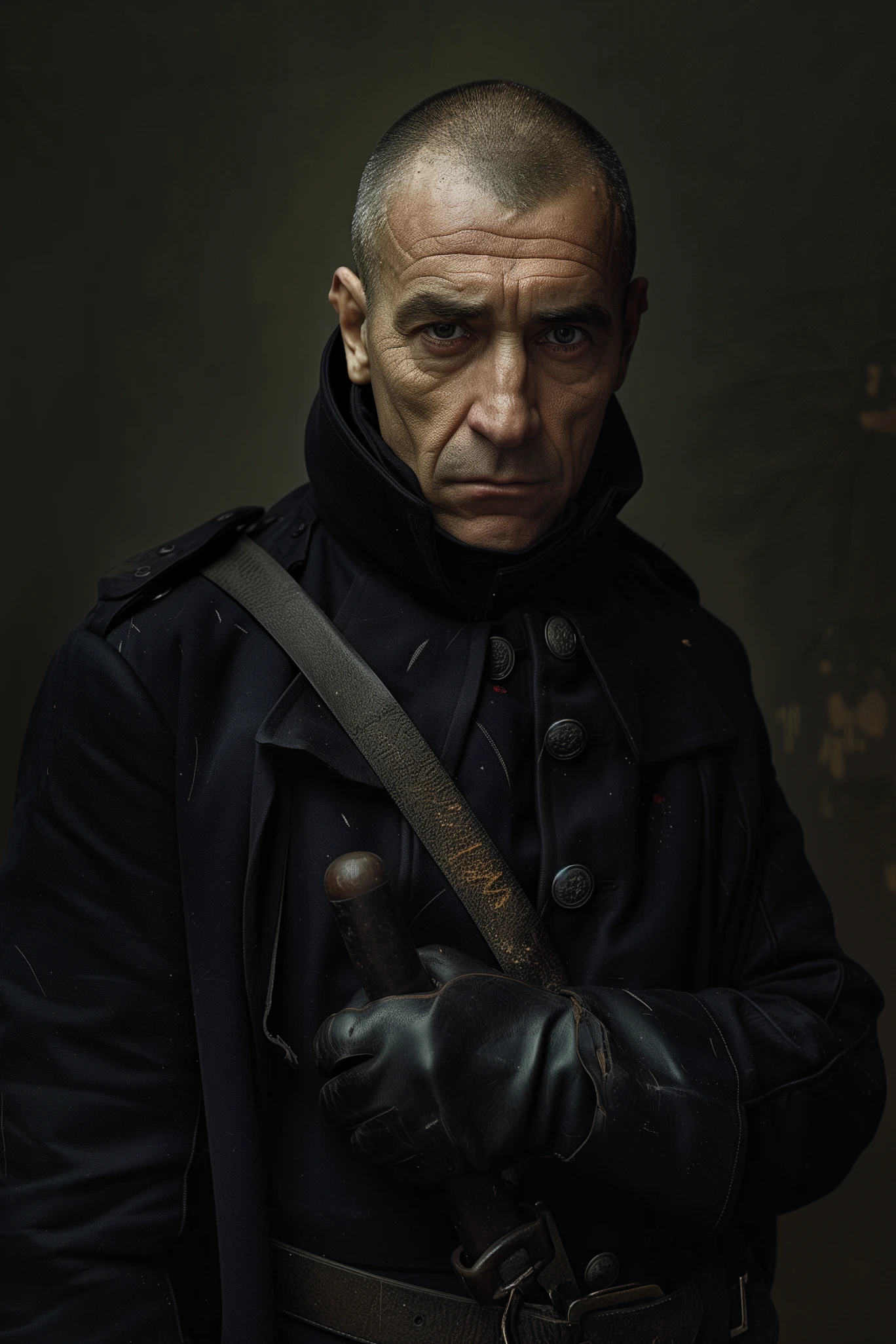
There were three, including the steersman. They were all in black: jackets with grotesquely high collars rising almost to the level of their ears at the back; trousers belted with a club and a knife; boots and gloves of shiny rubber or plastic. Their hair was shaved close to the skull. The man at the prow also wore a headband that marked him out as a leader of men. Beneath it, he was almost bald, without even the stubble of the others. He had narrow eyes and a face that defied expression. In all the time I knew the Marshal – for it was he – I never saw any real flicker of thought betray itself on his face.
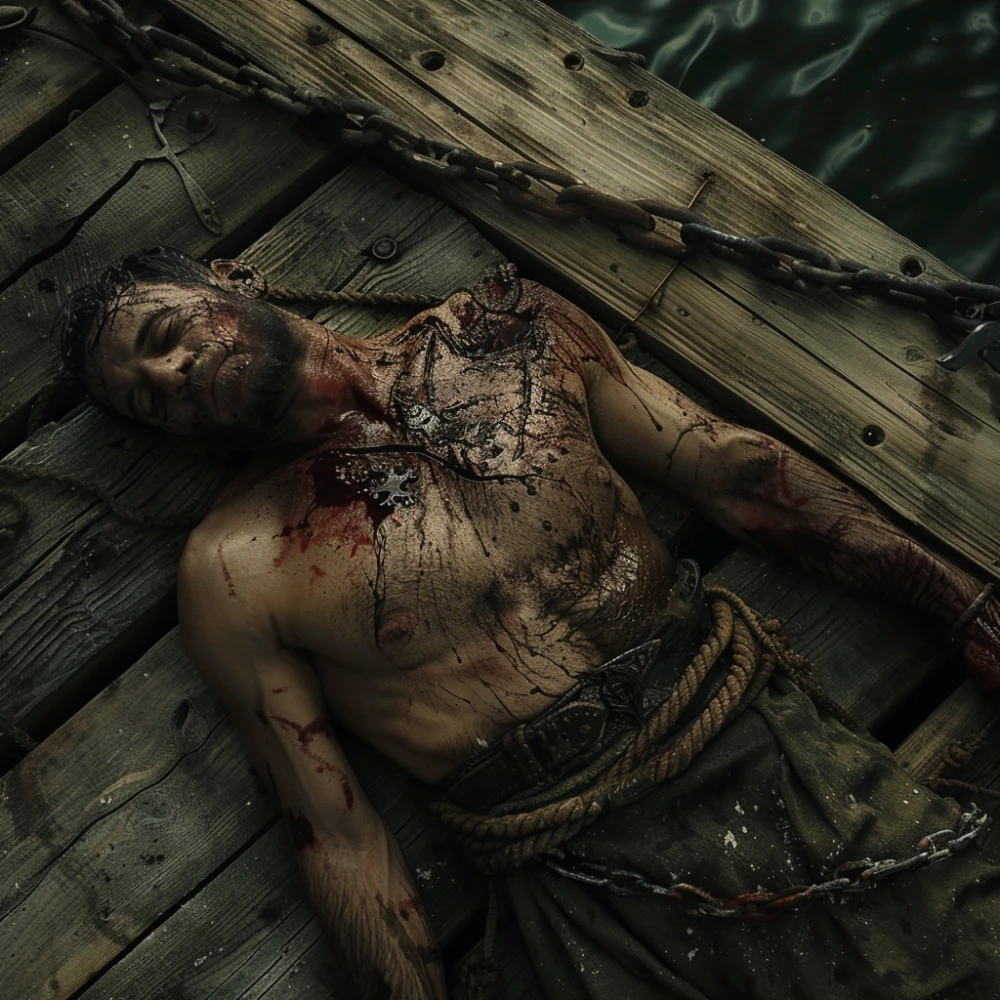
“There was a crack, although perhaps it was just a light so bright and sudden that it seemed like a sound. The man on Shon’s other side was thrown backwards into the men behind, and when they got out of his way he was just a limp corpse on the floor. His face and chest were charred black. In the aftermath of that strike the air between us and the Marshal boiled and sizzled. That was the second time that random chance passed me by when there was a death to be doled out.
“I do not know who he was, nor do I care,” the Marshal said. Nothing in his hard voice had changed with the man’s death. “That was an example. You are less than nothing to me and my staff, and we will kill any one of you without a second thought. If you wish to remain alive you will do everything in your power to avoid angering us, and even that may not be sufficient. You have no rights. You are nothing more than vermin and the boat brings more of you every month.”
Cage Of Souls (Original) Artwork
There was a boat, a metal-hulled antique some forty feet long. Shadrapar was its birthplace, as it is mine, but it took us east down the river into the unmappable and hungry jungles. The thump of its engine was a constant companion to all of us aboard her. We dreamed in time to its artificial heartbeat.
Peter Drachmar, seen there on deck, is quite a different sight. His hair is the colour of wet sand and there are laughter lines on his face even when he is not laughing. He has broader shoulders than I and wears clothes from a far better tailor. Luckily for his future employment, black is his preferred hue for a shirt. His trousers are of mustard colour and he has a short half-cloak of burgundy red that was the height of fashion the year before last. It is edged with gold trim that has faded slightly. If my description of him is more accurate, remember that, from this point on, I seldom crossed paths with a mirror.
“Stefan Advani,” for such am I. I’d have you picture a man of aristocratic feature, as of a good family: a long face, dark straight hair and brown-olive skin. A high forehead – a sign of intellect and not just, as Helman always claimed, receding hairline. The nose is finely shaped but, even in the owner’s opinion, a trifle long. Eternally clean-shaven, a gift from my genes, my loose, ill-fitting clothing is dirty grey and does not flatter. This is your narrator contemplating the fate that was so nearly his, something I have made a career of.
As we watched, something caught my eye at the water’s edge. It was a dwelling, or something like it. A little domed construction of wicker that actually sat in the water, and perhaps could only be entered from beneath. There were other poles and struts standing out in the river, and I now know that these were fish traps. At the time all I could do was stare. Peter noticed too, and frowned, and I saw that he had no idea either.
“They call them web-children,” the captain told us shortly.
“Who calls what web-children?” Peter asked.
“Them things that built that,” the captain explained. “They live out here.”
“People live in this jungle?” Peter wondered.
“Ain’t people.”
As we watched, something caught my eye at the water’s edge. It was a dwelling, or something like it. A little domed construction of wicker that actually sat in the water, and perhaps could only be entered from beneath. There were other poles and struts standing out in the river, and I now know that these were fish traps. At the time all I could do was stare. Peter noticed too, and frowned, and I saw that he had no idea either.
“They call them web-children,” the captain told us shortly.
“Who calls what web-children?” Peter asked.
“Them things that built that,” the captain explained. “They live out here.”
“People live in this jungle?” Peter wondered.
“Ain’t people.”
They dragged us all out into the morning to look at it, because it was a vital part of breaking our spirits. Here was our new home, and our mass grave.
The jungle was more of a swamp now, and the water spread on all sides, a glistening wetland choked with reeds and knotted trees. The air was rank with flies. The boat moved slowly through what must have been the only channel deep enough to take its draft, and ahead of us the water broadened out into a lake. It was half mud, and strange plants thrust out from its shallows at intervals like the hands of drowning men. At the heart of this lake was the Island. Everyone’s first glance at the Island was the same: one took it for its namesake. In the middle of this lake, you assumed, there is a hill, and the hill has been covered by the structure. The Island was roughly square, with the top two floors of decreasing size and the lower three all of the same dimensions. It was made of wood and cane, as though the entire building was a barred cell. The higher levels had a few spaces of solid wall, so that the staff could steal a little privacy. The lower levels were all of reinforced slats, cane bars and a vast webwork of rope that held it all together. It was possible to see clean through the Island, if one picked the correct opening. The eye’s path took you through a dozen intervening slatted walls and out to the foul waterscape on the other side, past a hundred sullen inmates. As the boat approached we could see a few of those inmates, shadowed figures behind the bars.
Get your worthless hides off the boat!
There were three, including the steersman. They were all in black: jackets with grotesquely high collars rising almost to the level of their ears at the back; trousers belted with a club and a knife; boots and gloves of shiny rubber or plastic. Their hair was shaved close to the skull. The man at the prow also wore a headband that marked him out as a leader of men. Beneath it, he was almost bald, without even the stubble of the others. He had narrow eyes and a face that defied expression. In all the time I knew the Marshal – for it was he – I never saw any real flicker of thought betray itself on his face.
“There was a crack, although perhaps it was just a light so bright and sudden that it seemed like a sound. The man on Shon’s other side was thrown backwards into the men behind, and when they got out of his way he was just a limp corpse on the floor. His face and chest were charred black. In the aftermath of that strike the air between us and the Marshal boiled and sizzled. That was the second time that random chance passed me by when there was a death to be doled out.
“I do not know who he was, nor do I care,” the Marshal said. Nothing in his hard voice had changed with the man’s death. “That was an example. You are less than nothing to me and my staff, and we will kill any one of you without a second thought. If you wish to remain alive you will do everything in your power to avoid angering us, and even that may not be sufficient. You have no rights. You are nothing more than vermin and the boat brings more of you every month.”
Cage Of Souls (Original)
The Sun is bloated, diseased, dying perhaps. Beneath its baneful light, Shadrapar, last of all cities, harbours fewer than 100,000 human souls. Built on the ruins of countless civilisations, surviving on the debris of its long-dead progenitors, Shadrapar is a museum, a midden, an asylum, a prison on a world that is ever more alien to humanity.
- publishDate
Mar 28, 2024
- Generator
Midjourney v5.0
- Based On Cage Of Souls by Adrian Tchaikovsky
* This artwork is not affiliated or endorsed by the author Adrian Tchaikovsky. This is not official artwork for the story Cage Of Souls.